The Power of Storytelling
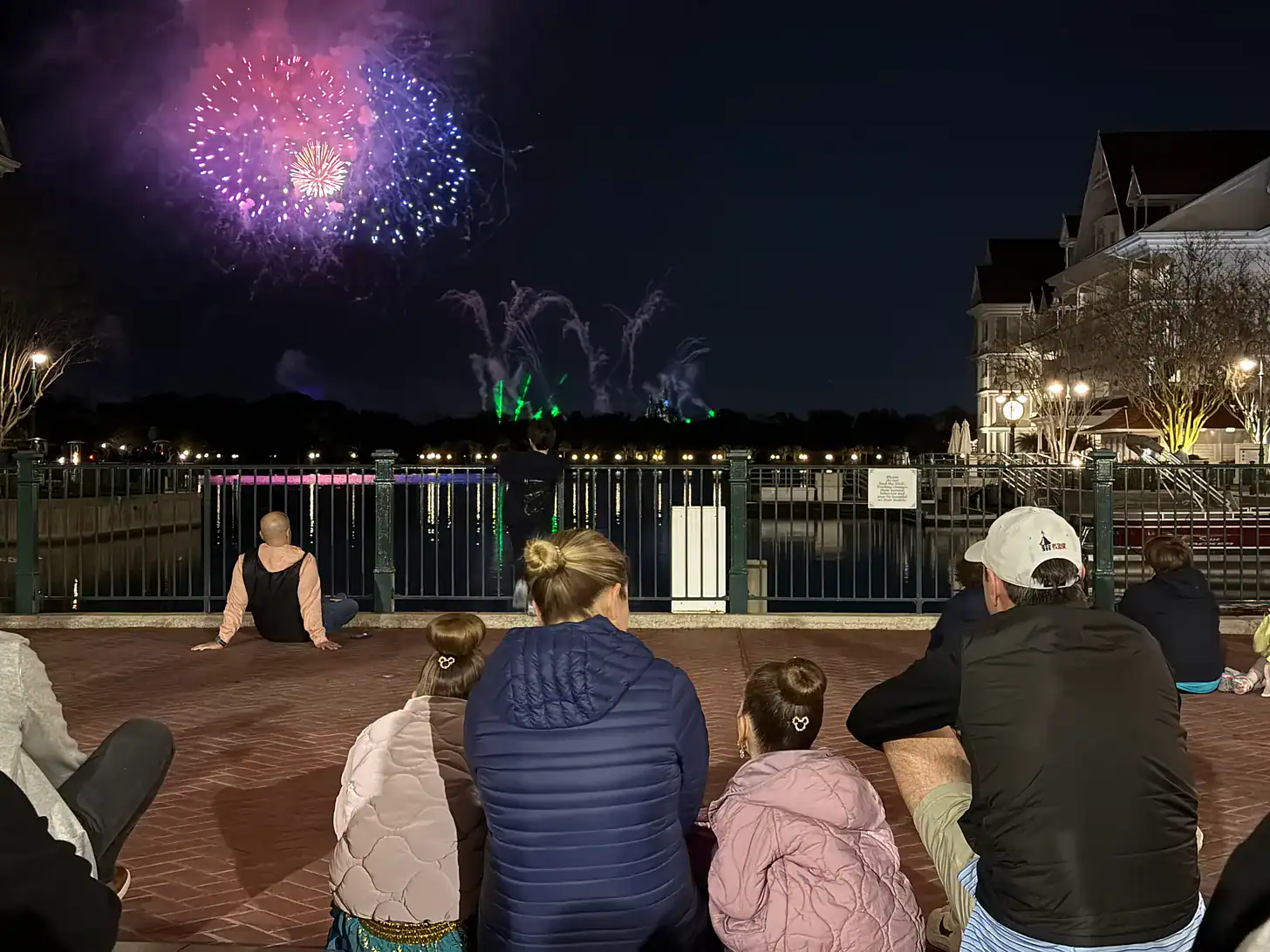
I spent my last night in Disney World watching my Seahawks beat the New England Patriots in the Super Bowl while Bad Bunny delivered one of the best halftime performances I’ve seen.
The reason why Disney and Bad Bunny both succeed?
Powerful storytelling.
They both excel at not only communicating a message, but curating an experience. They take their audiences beyond.
Disney makes even the crustiest adults feel like kids again with childhood wonderment. Bad Bunny can enter a toxic political climate, turn it into a party, and deliver a positive message about acceptance, diversity, and how love triumphs over hate.
No matter your craft, storytelling is a crucial skill.
If you operate a business, storytelling helps you build a brand and market products or services. If you invest in companies, you probably don’t put your money into something unless you’re convinced by their story. And if you’re an artist like Bad Bunny, storytelling is the core of what you do. Your purpose is to draw out emotions, to inspire, and to make people feel something bigger than themselves.
From the corporate world to the arts, the power of storytelling often determines who succeeds and who fails.
Disney beats other theme parks because of storytelling
Have you ever been to Luna Park on Coney Island? Or a Six Flags theme park? Maybe Universal Studios?
Disney crushes most theme park competition because they don’t just sell thrill rides.
They tell stories.
When guests enter Star Wars Rise of the Resistance, they ride not as bystanders, but as recruits. And that’s after walking through a land — Galaxy’s Edge — filled with stormtroopers, Kylo Ren, and shopkeepers who quote you in “credits” not dollars.
On the Rise of the Resistance ride itself, guests get captured by the First Order before escaping. It’s a thrilling experience that goes beyond a simple ride that starts at point A and ends at point B.
This immersive experience is not limited to Star Wars. It’s present across the rides and throughout the parks.
Whether it’s Pirates of the Caribbean or Goofy’s Barnstormer or Slinky Dog’s Dash or Tron, Disney brings the magic of storytelling to each experience.
You don’t just go up and down an elevator at the Tower of Terror. You find yourself inside the Twilight Zone and a 1930s Hollywood-era hotel.
Or you’re blasting off to Mars on a space mission at Epcot while enjoying dinner in space later that evening.
There are no limits to the possibilities at Disney. Character breakfasts. Dinner with Cinderella in her castle. And going from one country to another at Epcot.
Now contrast those experiences with Luna Park at Coney Island. Or Six Flags. Those parks may have tea cup rides, for example, but their tea cups aren’t run by the Mad Hatter from Alice in Wonderland. The Cheshire Cat Cafe isn’t waiting for you after your ride either.
Other parks may have rollercoasters that make you scream louder or more joyously, but they don’t have anything like Space Mountain or Splash Mountain (now called Tiana’s Bayou). The latter make you feel like you’re blasting off on a space mission or thundering down a 50-foot waterfall in Louisiana.

And it’s this power of Disney’s storytelling that make people obsessed. They captivate imaginations, young and old. They use the power of nostalgia to bring softness to even the hardest among us.
Who can’t help but smile at the sight of a little boy or girl hugging Mickey Mouse for the first time? Or the memories of when you may have first enjoyed similar moments yourself.
Disney creates obsessives. Repeat customers who return annually or more. With or without kids.
Diehard guests who march around the park in Mickey and Minnie Mouse ears. Disney experts who have all the Vacation Club memberships and Disney credit cards and dining plans.
It reminded me of being at Costco. Prior to this past week I hadn’t visited a Disney park in 25 years. I was struck not just by nostalgia but by how crazy it was on a random week in February.
Kids should have been in school. It wasn’t spring or summer break. It wasn’t a holiday. But the park was packed.
Every. Single. Day.
It was like pulling into a random Costco parking lot on a Tuesday only to find it jammed at 1 PM. Which happens regularly.
You could tell that many of the people inside the park had been there before. Many times.
Just as we know that once people enter the Costco club they almost never leave. The U.S. member retention rate is over 90%.
What Disney does with characters and themes, Costco does with quality products at low prices and consistent service. Both companies excel at storytelling in their own ways. Both set customer expectations high and consistently deliver.
So it’s no wonder they mesmerize millions with their magic and keep people coming back for more.
Bad Bunny won the Super Bowl with storytelling
Just like Disney, artist Bad Bunny has storytelling prowess, but of a different form. He uses music to make people feel something. And while his music is mostly fun and clubby and almost never political, at the Super Bowl he met a tense political moment in the best way possible — indirect political messaging (something I’ve written about before).
Benito (Bad Bunny’s real name) didn’t scream at people about injustices, ICE agents, or the plight of his fellow Puerto Ricans (whom many forget are Americans too!).
Instead he used powerful imagery, which was described beautifully by Armando here on X. Read the entire thread for his interpretation of Bad Bunny’s storytelling.

From sugarcane fields to emphasize colonial origins to power lines to highlight Puerto Rico’s persistent energy crisis that goes underfunded by America, Bad Bunny threw a massive party while sending an even bigger message.
And he did it entirely in Spanish.
I don’t care if you understood any of it word-for-word. You could tell what he was saying by the imagery, energy, and emotions alone.
The little English that did appear delivered the final blow — love defeats hate.
The President clearly wasn’t watching Kid Rock at the off-site counter protest because he was too busy complaining about Bad Bunny. As was Jake Paul. Although his brother Logan made clear that he disagreed.
Because how can you argue with a message of love?
Treating each other with common decency, respect, and human kindness. Having fun while celebrating America’s beautiful diversity, which was certainly represented by the different races of the players on the field that night.
Anyone who tries to counter the power of that storytelling is bound to lose in the long run. They may succeed with fear temporarily, but as Bad Bunny showed, love and storytelling will always win in the end.
Storytelling is a superpower
In our attention economy increasingly filled with AI slop, people are desperate for human stories. They want to feel something real and authentic. That’s why for writers and anyone making art, I’ve argued we need to double down on our humanity if we want to beat AI and command human attention.
Disney and Bad Bunny are just two examples of how to succeed with storytelling. One illustrates how a corporate structure does not hinder great expression, but in fact can thrive on it. While another shows how a solo artist who was bagging groceries a decade ago can meet a politically perilous moment with the world watching by conveying a message of love and hope.
We all have great stories inside us. Not to mention the ability to identify greatness when we witness it.
But that requires taste.
It demands experience.
It means we must make efforts not to be low information humans. That we must seek out great stories, not on the scrolling feeds of social media, but in the long form novels, essays, films, and albums created by people who may not look like us or share our stories.
We also must go to new places and experience new things. Only then can we truly develop taste.
This will help us identify when the next great story is told. Or give us the power to tell that story ourselves.
So we must keep pushing. We must keep searching for stories outside our comfort zones.
Neither Disney World nor Bad Bunny were my first choices for this past week. I would have preferred a European vacation or a country artist like Zach Bryan at the halftime show for a change.
But I’m better off for having experienced what I did.
Now I can go deeper into the new year filled with childhood wonderment and yes, a little more love.


0 Comments