Do You Still Have Childhood Wonderment?
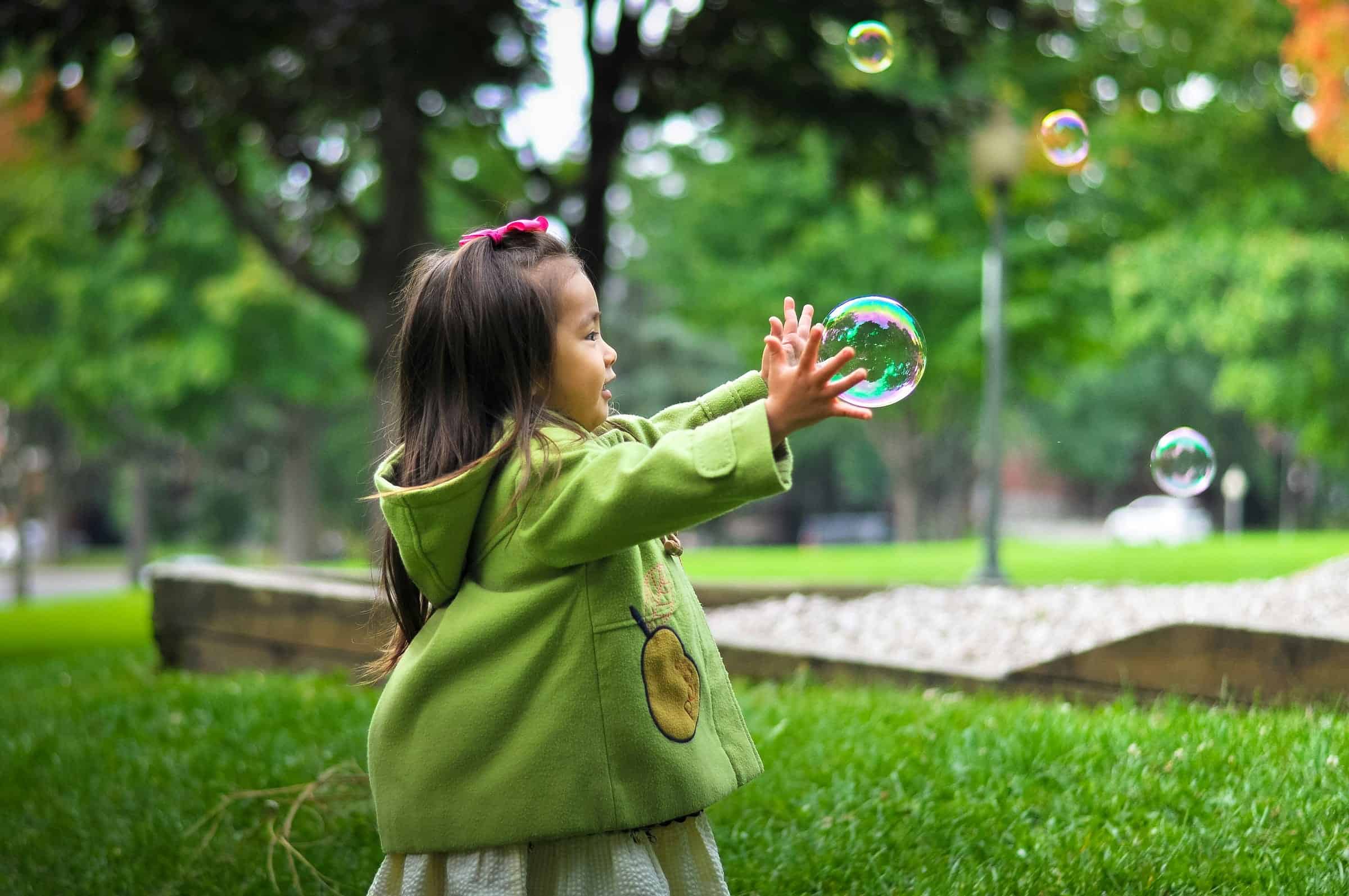
When my son tasted gelato for the first time, his eyes widened, as if he had discovered magic.
How often do you get excited by daily moments? I’m not talking about going on a fun trip or eating out somewhere special. I’m talking about finding pure childhood wonderment in the mundane. The ordinary. The daily motions of your life.
Childhood wonderment is having a sense of awe about the natural world. How a butterfly connects to a flower. It’s getting excited about a story. Like the first time my son heard about Star Wars. It’s finding joy in the little things that many of us adults may overlook.
Most of us lose childhood wonderment as we age. The daily travails of life can easily overtake our natural joy. Stress makes a sunset seem less magical. Pessimism about a chaotic world makes an otherwise happy moment or story seem less hopeful.
Some may call that wisdom. The loss of childhood innocence may be a good thing for some. After all, how can we guard and fight for ourselves in a world that mostly doesn’t care about us?
The trouble is, if we overcorrect in this direction, we lose so much curiosity, empathy, and enjoyment.
I’m not denying it’s useful to have realistic perspectives and worldviews. But it’s also useful to exercise a little grace mixed with mindfulness. While constantly remembering that our time in this world is finite; that we should cherish every day no matter how hard it gets.
One of the easiest ways to lose childhood wonderment is to stop giving people the benefit of the doubt.
In the book Unreasonable Hospitality, the author Will Guidara, who famously ran the front of the house at Eleven Madison Park here in New York City, talked at length about “charitable assumption.” How rude guests would often complain unreasonably about the food, service, or practically any aspect of the dining experience.
Guidara found that practicing charitable assumption made him a better host and disarmed the complaining guest. By giving guests the benefit of the doubt, it creates a better experience for everyone.
The reality is that we don’t know what everyone else is going through. Personal problems. Relationship struggles. Family drama. The list goes on. And few strangers advertise it completely.
So while it’s important not to let people, whether an unreasonable dinner guest or otherwise, take advantage of you, it’s also useful exercising a little grace in the form of charitable assumption.
This is a key part of retaining or recapturing childhood wonderment. Trying to see the best in people. For if we’re jaded or too cynical about humanity, we’ll seldom be in awe by it.
And one of the best ways to be in awe? Surprise.
Will Guidara discusses this “surprise” strategy at Eleven Madison Park. How they would go to great lengths to surprise their guests, from doing research in advance on who they were, what they were celebrating, or whether they were local or visiting. They would even eavesdrop a bit to determine if they could make the experience even more special.
I went into one of the more hilarious stories in my video review of Eleven Madison Park. It involves hot dogs from a food cart.
Surprising guests often worked.
Why? Because most of us love unexpected excitement. Especially if it’s curated for us and us alone.
This is a big reason why children get so excited. They are constantly surprised because they are learning about the world and how everything works. It creates a seemingly unending sense of awe.
While us adults may not be able to generate daily surprises for ourselves, we can certainly try to exercise more grace and mindfulness. Whether that’s practicing more gratitude and recognizing what you have in life instead of what you don’t. Or being more self-aware of the world and your daily interactions.
Instead of thinking about your to-do list nonstop or what’s happening on social media, try to be present. Give your full attention to a walk through the park. A conversation with a loved one or friend. A moment of play with your child or if you don’t have kids, yourself.
That’s right. A key part of childhood wonderment is play. I see it everyday with my own son. And Rick Rubin talks about it at length in his book, “The Creative Act: A Way of Being.”
When you’re a toddler, your play is your work. Your brain is building connections and interpreting the world and the people and things in it. When we age, we often lose this sense of “play” with our work.
It’s a willingness to experiment without fear or inhibition. It’s gamifying the work in a way that makes it fun and brings us joy. It’s being mindful of why you started the work in the first place — hopefully for genuine curiosity and interest.
So if you struggle with maintaining or rediscovering childhood wonderment — as I do at times — try a little more charitable assumption and mindfulness in your life.
Be intentional about it.
You might just see whatever you want to achieve or create take off in the same way my son’s soup cans turn into rockets.


0 Comments